
We Audited 10 Canadian Shopify Stores. Here's What We Found.
We ran a full audit on 10 real Canadian Shopify stores across different industries. Almost all of them had the same problems. None of them knew.
We Looked Under the Hood of 10 Canadian Shopify Stores
Over the past few weeks, we ran a full performance and search audit on 10 Canadian Shopify stores. Pet supplies, activewear, coffee, cycling gear, health supplements, Japanese homewares. Big range of industries. Some doing a few thousand a month, others doing $50K+.
From the outside, most of these stores looked fine. Clean design. Products loaded. Checkout worked.
Under the surface, almost every single one had the same problems. And none of the owners knew.
9 Out of 10 Had No Product Descriptions That Search Engines Could Use
Shopify auto-generates a little snippet for each page that shows up in Google results. The problem is, those auto-generated snippets are usually the first few words of whatever text is on the page. Sometimes it's a product title. Sometimes it's a navigation label. Sometimes it's nothing useful at all.
9 of the 10 stores we looked at were relying entirely on these auto-generated descriptions. That means Google is deciding how to describe your products to shoppers. And Google's guess is almost always worse than what you'd write yourself.
This matters because that little snippet is often the only thing a shopper sees before deciding whether to click. A good one can double your click-through rate. A bad one means they scroll right past you.
8 Out of 10 Were Invisible to AI Assistants
ChatGPT, Perplexity, Google's AI Overviews. These tools are how a growing number of shoppers find products now. They ask "what's the best dog harness for hiking in Canada" or "best specialty coffee subscription" and the AI gives them an answer.
8 of the 10 stores we audited had done nothing to show up in those answers. No FAQ content for AI to pull from. No structured information telling AI systems what the store sells. No plain-text file explaining the business to AI crawlers.
Some were actively blocking AI from reading their site without realizing it.
This isn't a future problem. It's happening right now. The stores that AI recommends get the click. Everyone else doesn't exist.
7 Out of 10 Were Painfully Slow on Mobile
Here's a number that should scare any store owner: Google's own research says every extra second of load time drops mobile conversions by 7-10%.
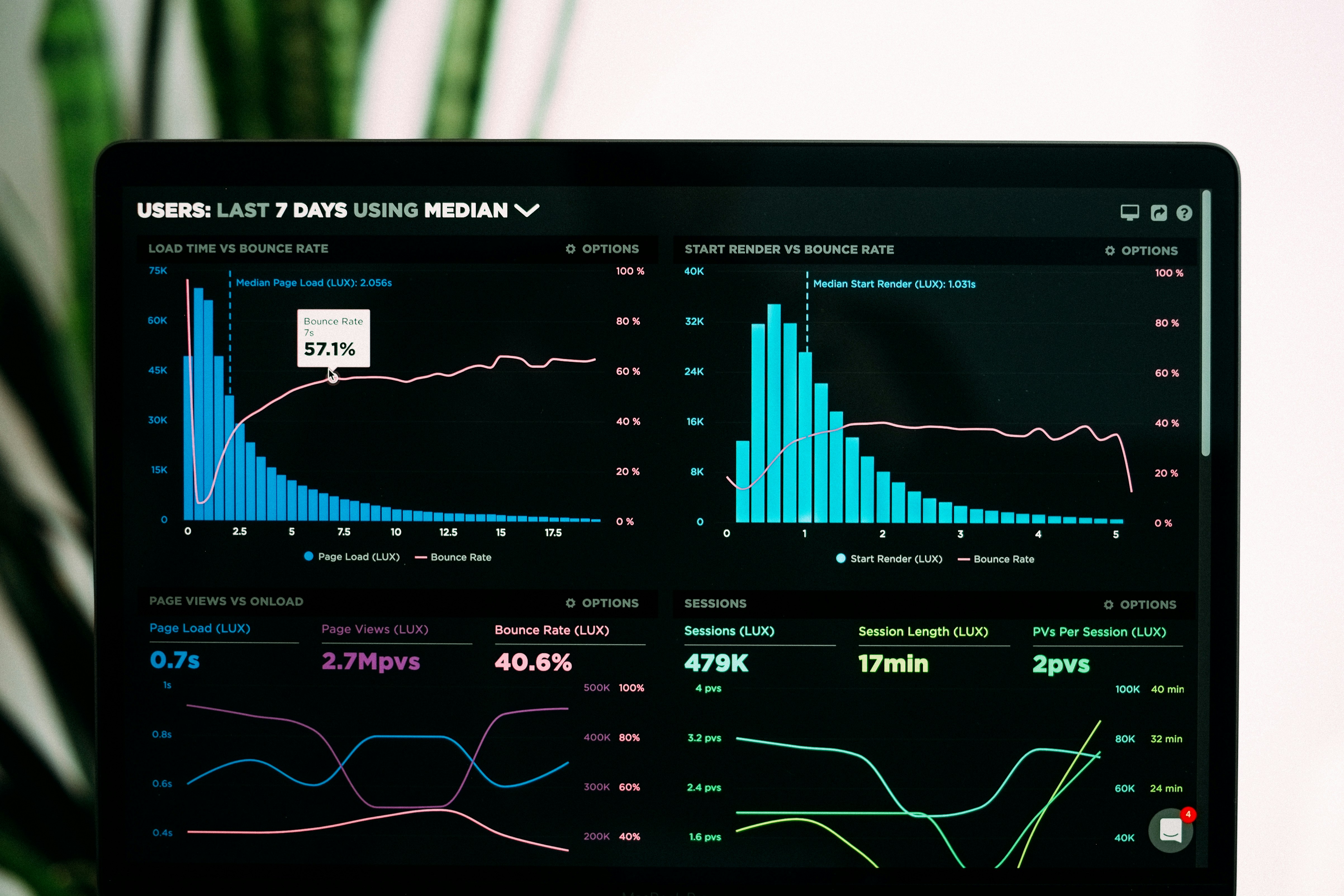
7 of the 10 stores scored a D or worse on mobile speed. One store took almost 29 seconds to load on a first visit. Another took 22 seconds. The average across all 10 was well over what Google considers acceptable.
The causes were almost always the same. Too many apps installed, each one adding code that runs before the page can load. Product images that were way too large for the screen they were being displayed on. Theme features nobody was using but that were slowing everything down.
The owners had no idea. The stores looked fast on their laptop because their browser had cached everything. A new customer on their phone, seeing the store for the first time? Completely different experience.
Almost None Had Product Images Optimized for Search
When you upload a product photo to Shopify, there's a field for "alt text." It's a short description of what's in the image. Search engines use it to understand your products and show them in image search results.
Across the 10 stores, most had hundreds of product images with no alt text at all. That's hundreds of products that Google Images doesn't know how to categorize. It's free traffic that's being left on the table.
The Pattern
What surprised us wasn't any single finding. It was how consistent the problems were across very different stores. A pet supply store in Winnipeg and a cycling gear company in Calgary had nearly identical issues. A coffee brand and a supplements store were making the same mistakes.
These aren't bad stores. The products are real, the businesses are legitimate, the owners care. The issue is that Shopify gives you a good starting point, but it doesn't finish the job. And most store owners don't know what's missing because nobody told them to look.
What This Costs
A store doing $30K a month with a 1.4% conversion rate (that's average for Shopify) is leaving real money on the table. Fix the speed issues and you stop losing impatient mobile shoppers. Fix the search descriptions and more people click through from Google. Show up in AI search and you're getting customers your competitors don't even know exist.
The gap between a C-grade store and a B+ store, for a business doing $30K/month, can be worth $10-25K in additional monthly revenue. Same products, same ad spend, same traffic.
What You Can Do Right Now
If you're running a Shopify store and you've never had an audit done, you almost certainly have some of these problems. Not because you did anything wrong, but because these are the defaults.
You can check a few things yourself in five minutes:
- Go to your store on your phone (not on wifi, use cellular data). Does it load in under 3 seconds?
- Google one of your products. Look at the snippet Google shows. Does it actually describe what you're selling?
- Ask ChatGPT to recommend a product in your category in Canada. Does your store come up?
If the answer to any of those is no, there's work to do. The good news is that most of it is fixable without rebuilding anything.
We run these audits for Shopify stores every week. If you want to know where your store actually stands, check out our Shopify optimization service or book a quick call. Takes 20 minutes and you'll know exactly what to fix first.
Free check
How does your Shopify store score?
Enter your store address for a free scorecard, including the Shopify storefront checks.
Grades speed, mobile, Google visibility and AI visibility, with the fixes that matter most. Results in about a minute.